15 B2B Ecommerce Features Your Website Should Have
Incorporating the right features into a B2B ecommerce website can be beneficial for increasing customer retention and improving the user experience.
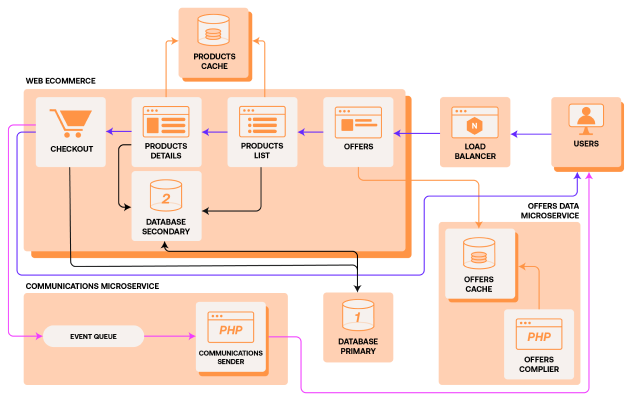
A well-executed B2B ecommerce experience has numerous benefits for both customers and re-sellers. By offering a streamlined and intuitive platform, merchants can enhance efficiency, saving valuable time for customers and optimising internal processes for re-sellers.
Positive user experiences, facilitated by features like personalised accounts and responsive design, contribute to increased customer satisfaction and loyalty. Integration with ERP systems ensures accurate and real-time information, reducing errors and enhancing data integrity. Customisation options, including personalised pricing and quoting features, provide tailored solutions for individual business needs, fostering stronger relationships and encouraging repeat business. Ultimately, a good B2B ecommerce experience contributes to increased productivity, improved accuracy, and a competitive edge in the digital marketplace.
In this insightful article, we explore the 15 must-have B2B ecommerce features that can elevate your website and redefine the way you do business.
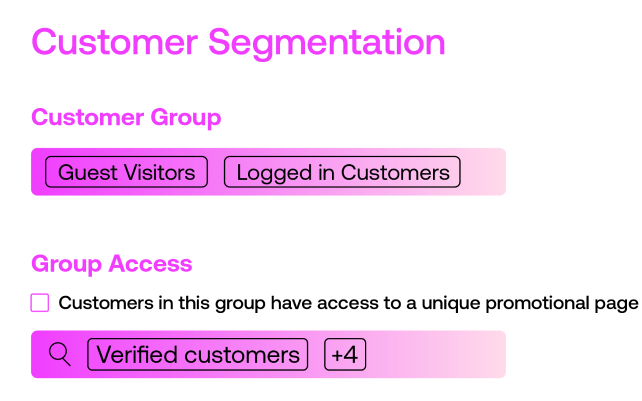
1. Segmentation with Customer Groups and Profiles
Segmenting customers based on specific criteria allows for targeted marketing and personalised experiences. Utilise customer profiles to understand preferences, and purchase history, and tailor your offerings for each segment.
Tip: Utilise the BigCommerce Customer Groups function to create different customer groups, such as retail customers and wholesale/B2B customers.
2. Customer-Specific Catalogue and Pricing
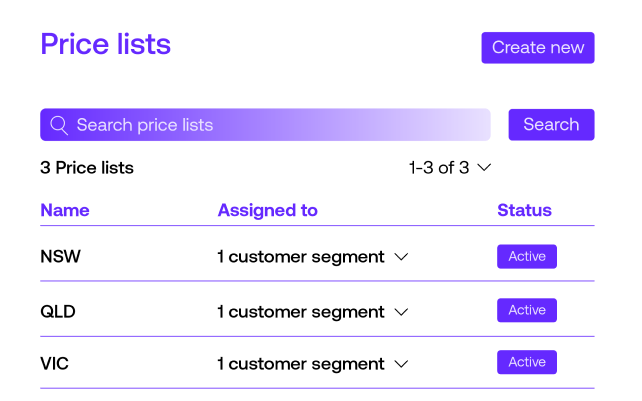
Provide a personalised experience by offering customised catalogues and pricing structures for different customers. This enhances user satisfaction and fosters long-term relationships by catering to individual business needs.
Watch the talk to learn about how customised catalogues and pricing work:
Tip: Utilise the BigCommerce Price Lists function to create different customer groups, such as retail customers and wholesale/B2B customers.
3. Advanced Search and Filtering Options
Enhance the efficiency of product discovery by incorporating advanced search and filtering options. This allows B2B buyers to quickly locate the products or services that match their specific requirements.
Tip: Integrate a search tool like Algolia or Optimizely with platforms such as Shopify or BigCommerce for powerful search capabilities and efficient product filtering.

4. Robust Product Information Management (PIM) System
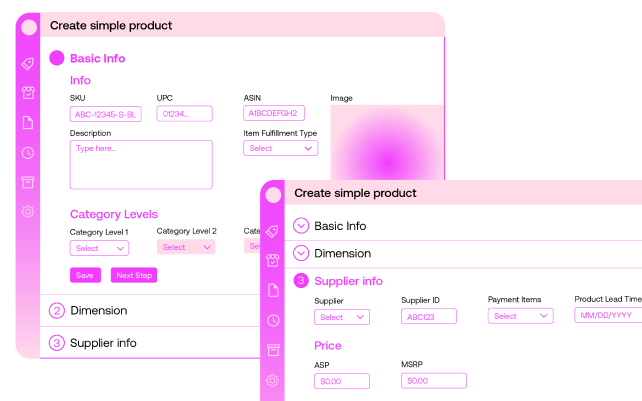
Implement a robust PIM system to centralise and manage product information effectively. This ensures accuracy, consistency, and easy updates across your entire product catalogue.
Tip: Leverage PIM solutions like Akeneo or Pimcore for centralised and efficient management of product information, ensuring consistency across channels.
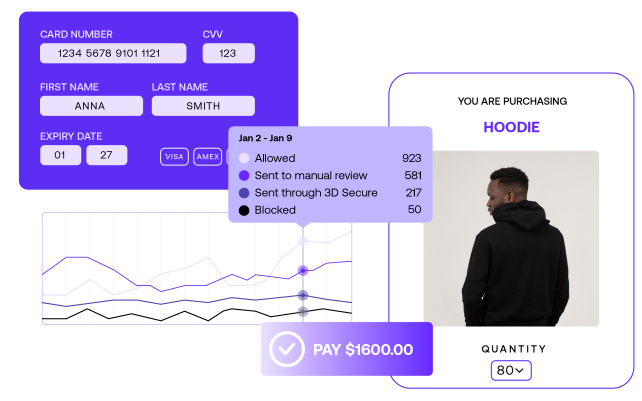
5. Secure and Streamlined Checkout Process
Streamline the checkout process by minimising the number of steps and providing secure payment options. B2B buyers appreciate efficiency, and a hassle-free checkout experience contributes to customer satisfaction.
Tip: Implement Stripe for secure payment processing, integrated into platforms like Commercetools or BigCommerce.
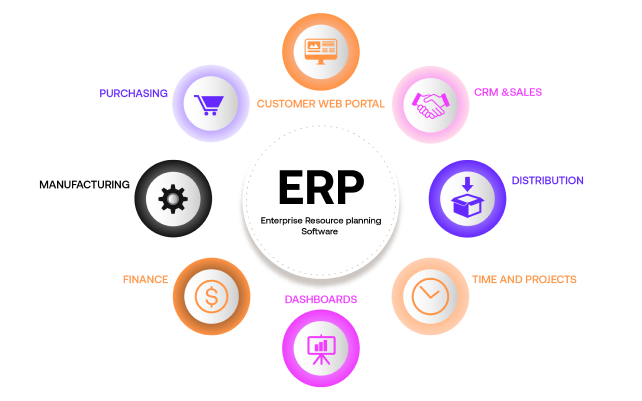
6. Integration with ERP Systems
Seamless integration with Enterprise Resource Planning (ERP) systems is essential for B2B ecommerce success. This ensures real-time synchronisation of data, from inventory management to order processing.
Tip: Implement Odoo or Oracle NetSuite for ERP integration with major ecommerce platforms.
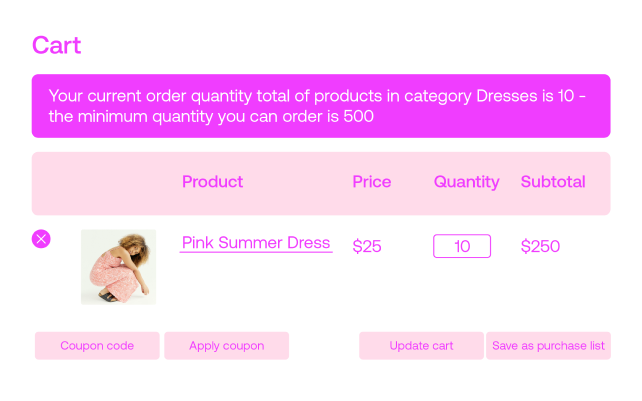
7. Minimum Order Quantities (MOQ)
Implementing minimum order quantities allows for efficient order processing and ensures that your B2B platform caters to the specific needs of wholesale customers who often have bulk purchase requirements.
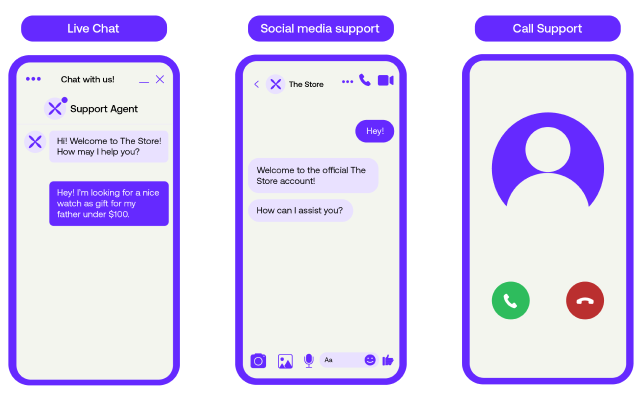
8. Live, Multi, and Cross Channel Customer Support
Enable your B2B customers to engage with your platform through various channels. This includes not only the website but also mobile apps, social media, and other relevant touchpoints.
Tip: Utilise comprehensive customer support and engagement platforms like Gorgias, an all-in-one customer support helpdesk software specifically designed for ecommerce stores.
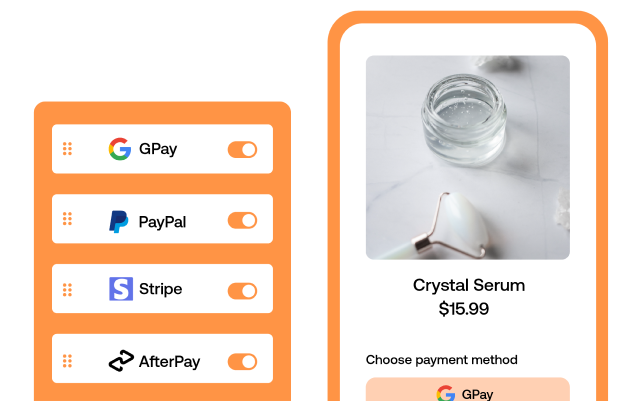
9. Flexible Payment Options
Cater to diverse business preferences by offering a range of payment options. Whether it's GPay, PayPal, Stripe or payment plans like AfterPay, providing flexibility enhances customer satisfaction and encourages repeat business.
10. Robust Security Measures
Prioritise the security of sensitive business data. Implement encryption, secure sockets layer (SSL) certificates and other measures to safeguard transactions and protect customer information.
Tip: Secure your ecommerce platform with SSL certificates from providers like Let's Encrypt, integrated into the security features of platforms such as Shopify.

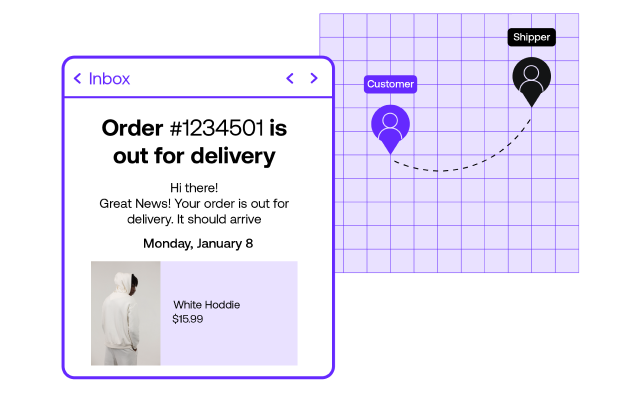
11. Order Tracking and Notifications
Keep your B2B buyers informed by integrating robust order tracking and notification features. Real-time updates on order status, shipping, and delivery enhance transparency and build trust.
Tip: Implement order tracking and fulfilment solutions like ShipStation or Shippo, seamlessly integrated into major ecommerce platforms for real-time updates.
12. Scalability and Flexibility
Ensure your B2B ecommerce platform is scalable to accommodate future growth. The flexibility to adapt to changing business needs and industry trends is vital for sustained success.
Tip: Leverage cloud hosting services such as AWS or Microsoft Azure for scalable infrastructure, ensuring flexibility and adaptability for your ecommerce platform.
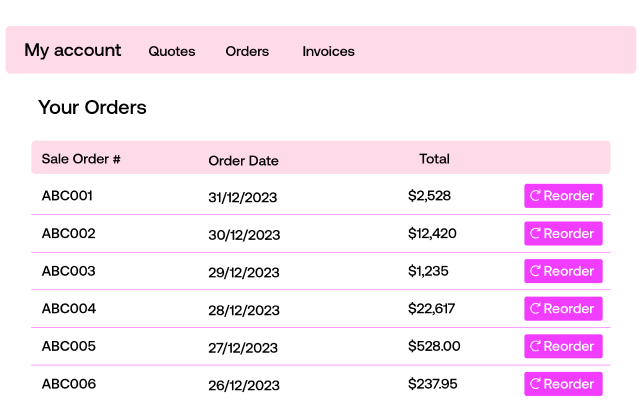
13. Quick Ordering/Reordering
Simplify the purchasing process with quick ordering and reordering functionalities. This streamlines transactions for returning customers who frequently buy the same products, saving time and effort.
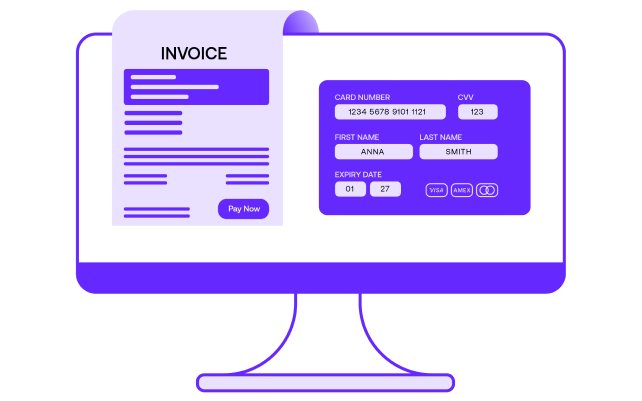
14. Automated Billing
Streamline financial processes by implementing automated billing. This feature simplifies invoicing, reduces errors, and ensures that transactions are processed efficiently.
15. Automated Marketing
Implement automated marketing strategies to engage and nurture leads. This includes email campaigns, personalised promotions, and targeted advertising to keep your B2B customers informed about relevant products and offerings.

By incorporating these 15 essential features and leveraging the mentioned tools into your B2B ecommerce website, you're not just creating a platform; you're building a powerful tool that can drive efficiency and enhance user satisfaction. Stay ahead of the competition by embracing the capabilities that modern B2B ecommerce demands.
As experts in this arena, we’re here to answer any questions you might have. Get in touch.