Google AI Shopping Just Dropped: Here’s What It Means for Your Brand
At Google I/O 2025, Google released its biggest ecommerce update in years: Google AI Mode. It is live in the U.S. now, and when it reaches Australia, the rules of online retail will be rewritten.
Google is reshaping how the world shops, and AI is leading the charge. From chat-powered discovery to agent-driven checkouts and virtual try-ons, this is not just an update, it’s a transformation. Here's what you need to know to stay competitive (and ahead of the curve).
What is Google AI Mode?
AI Mode is Google’s new, AI-powered search experience - currently rolling out in the U.S. as a dedicated tab. Think: a chat-style interface, powered by Gemini 2.5, designed to deliver hyper-relevant, personalised results across shopping, search, and discovery.
Here are the standout features changing the game for e-commerce:
1. Query Fan-out and Deep Search
AI Mode doesn’t just answer - it investigates. It breaks complex questions into multiple subtopics and runs dozens of targeted searches in parallel. The result? Highly tailored, insightful product recommendations and even full research-style shopping guides.
2. Visual Shopping Panels That Evolve
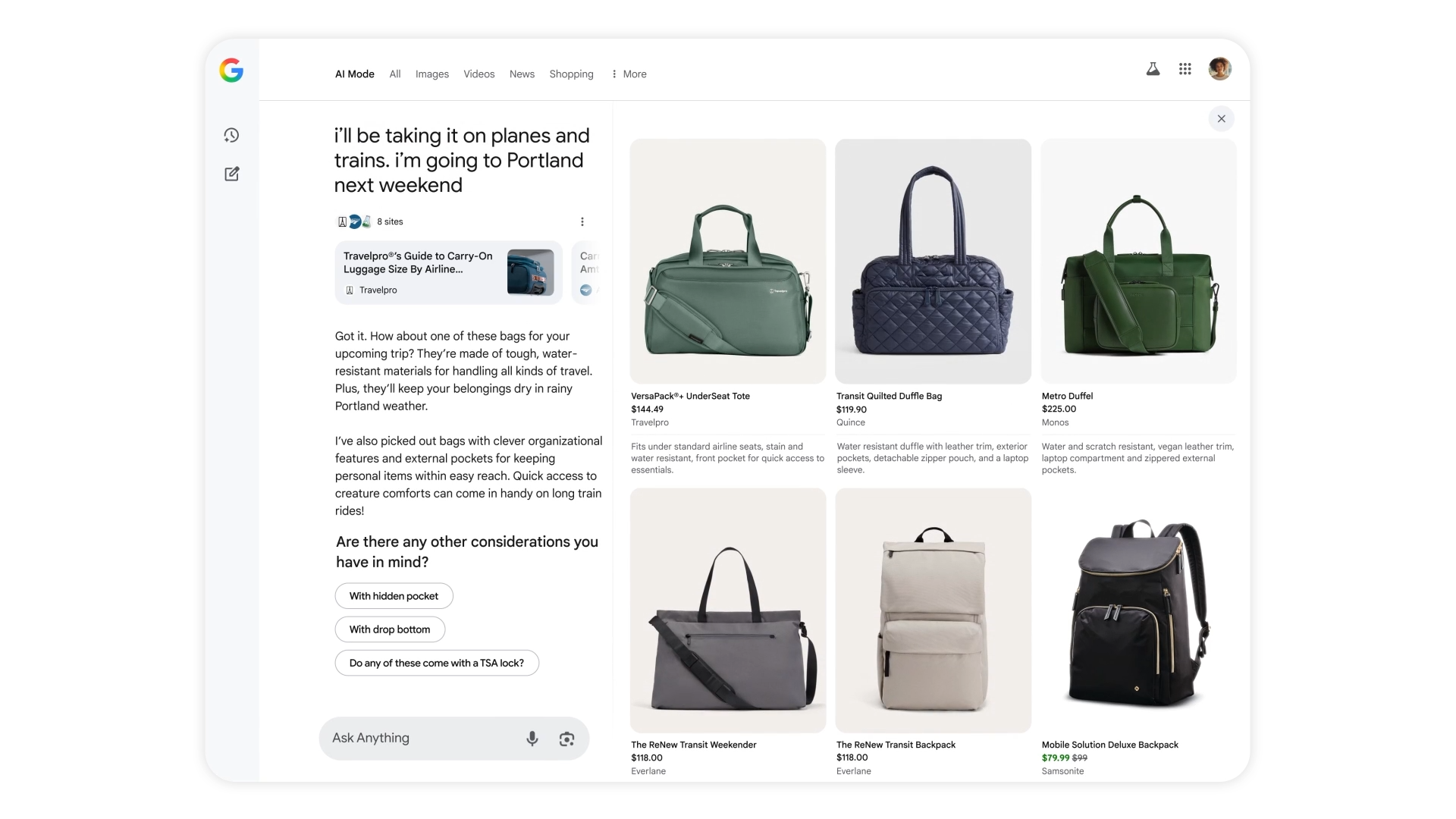
When a user types something visual like “a cute travel bag for Portland in May,” AI Mode responds with dynamic, image-rich product panels - automatically tailored to their style, season, and context. These panels refresh in real-time as the conversation evolves.
3. Virtual Try-On: Put Your Shopper in the Picture
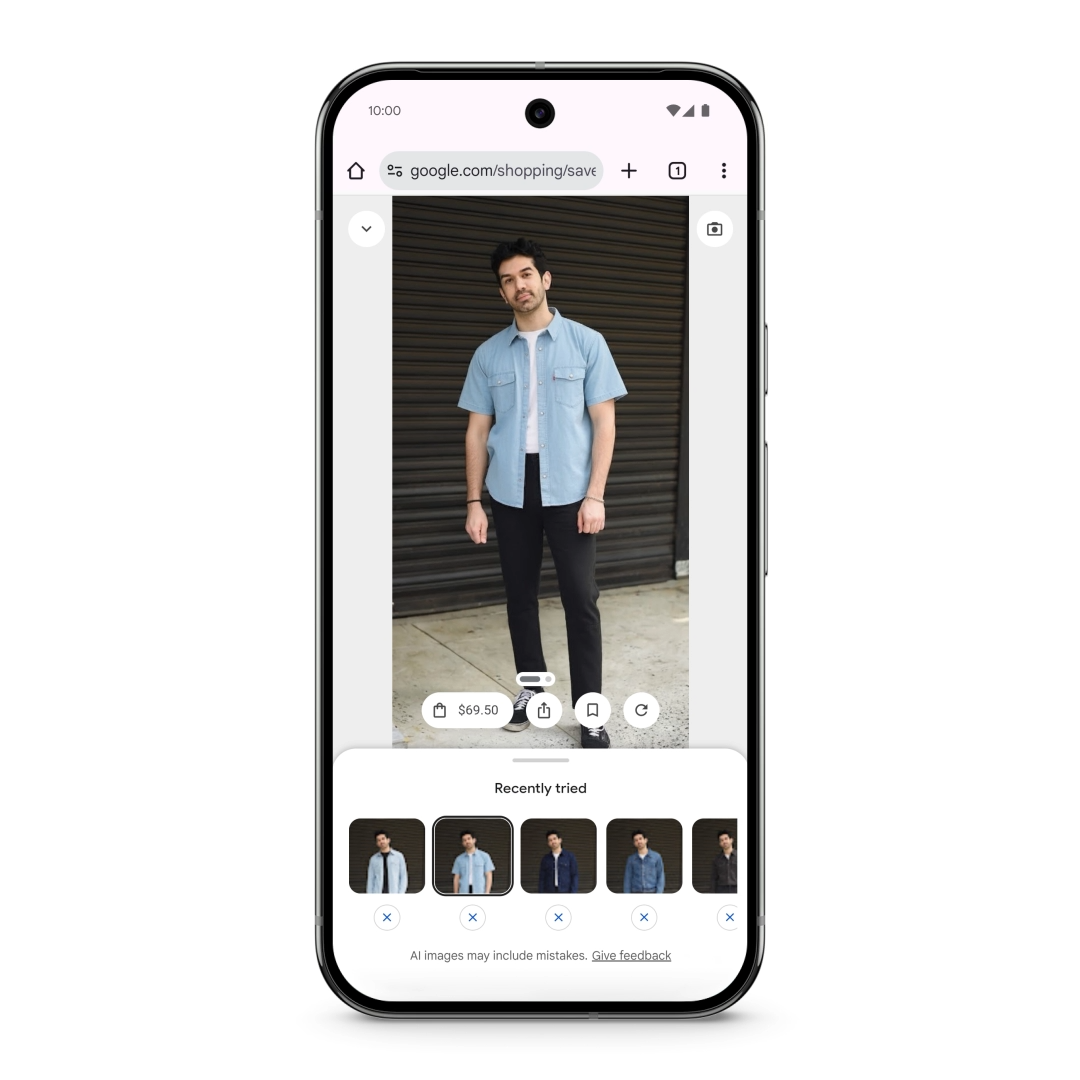
Google’s virtual try-on takes the hesitation out of fashion shopping. Shoppers upload a full-body photo and see how garments drape, flow, and fit on them. This AI-powered tool understands body shape, pose, and fabric behaviour to deliver lifelike visuals across billions of products in Google’s Shopping Graph.
4. Live Search by Camera (Multimodal Discovery)
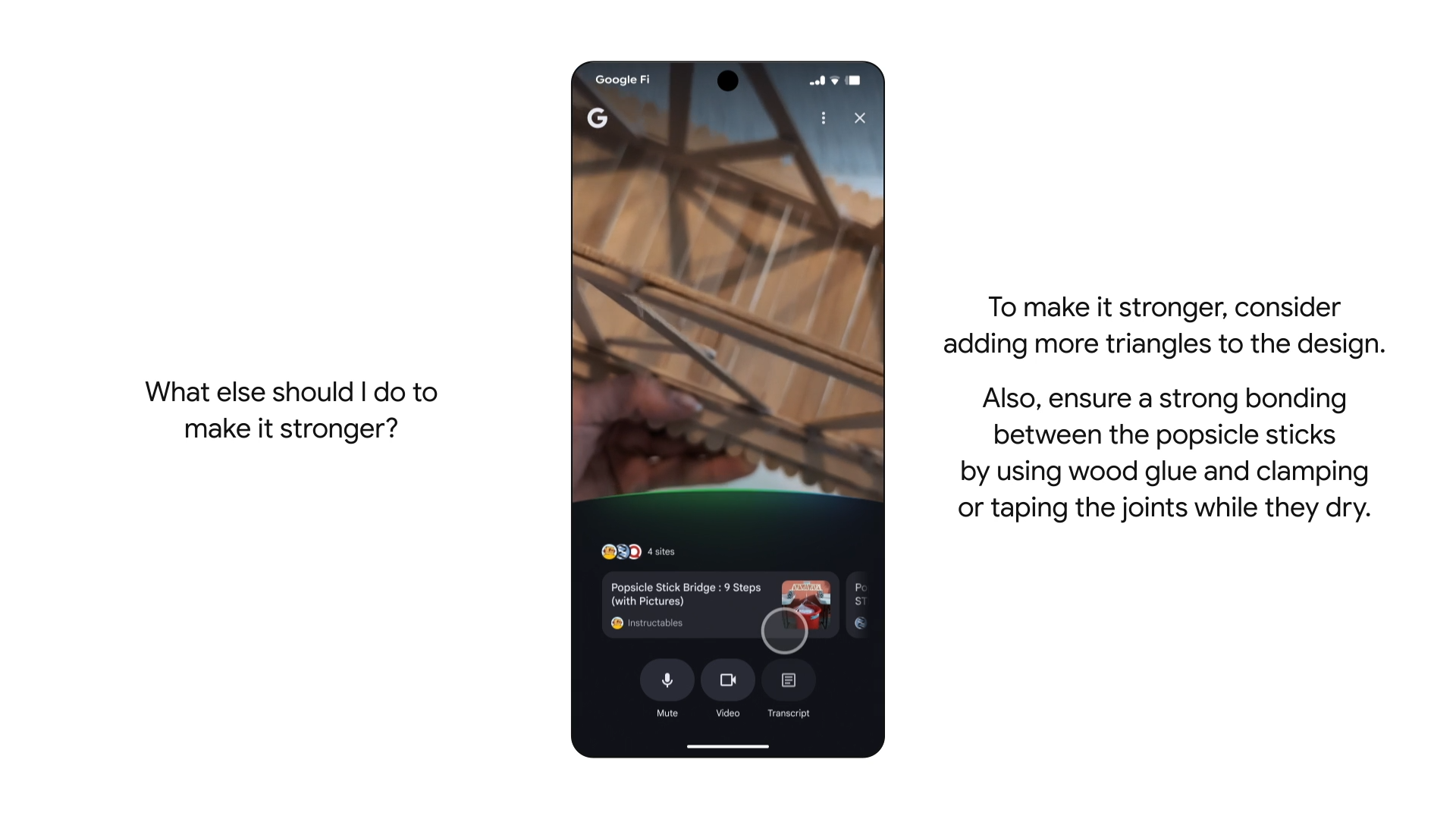
Using Google Lens, shoppers can now point their phone at a product or scene and ask questions instantly. This blurs the line between physical and digital discovery, making it a major win for brands with strong in-store presence or tangible products.
5. The Power of the Shopping Graph
Fueling it all is Google’s Shopping Graph—a live dataset of over 50 billion product listings, updated more than 2 billion times per hour. AI Mode draws from this constantly refreshed ecosystem to ensure results are relevant, real-time, and deeply informed.
6. Custom Charts & Personal Context
Need to compare specs or prices over time? AI Mode can build custom visual charts on the fly. And if a user opts in, it can pull from Gmail or Maps to personalise recommendations (e.g., shopping ideas based on an upcoming trip itinerary).
7. Agentic Capabilities (Yes, It Can Buy for You)
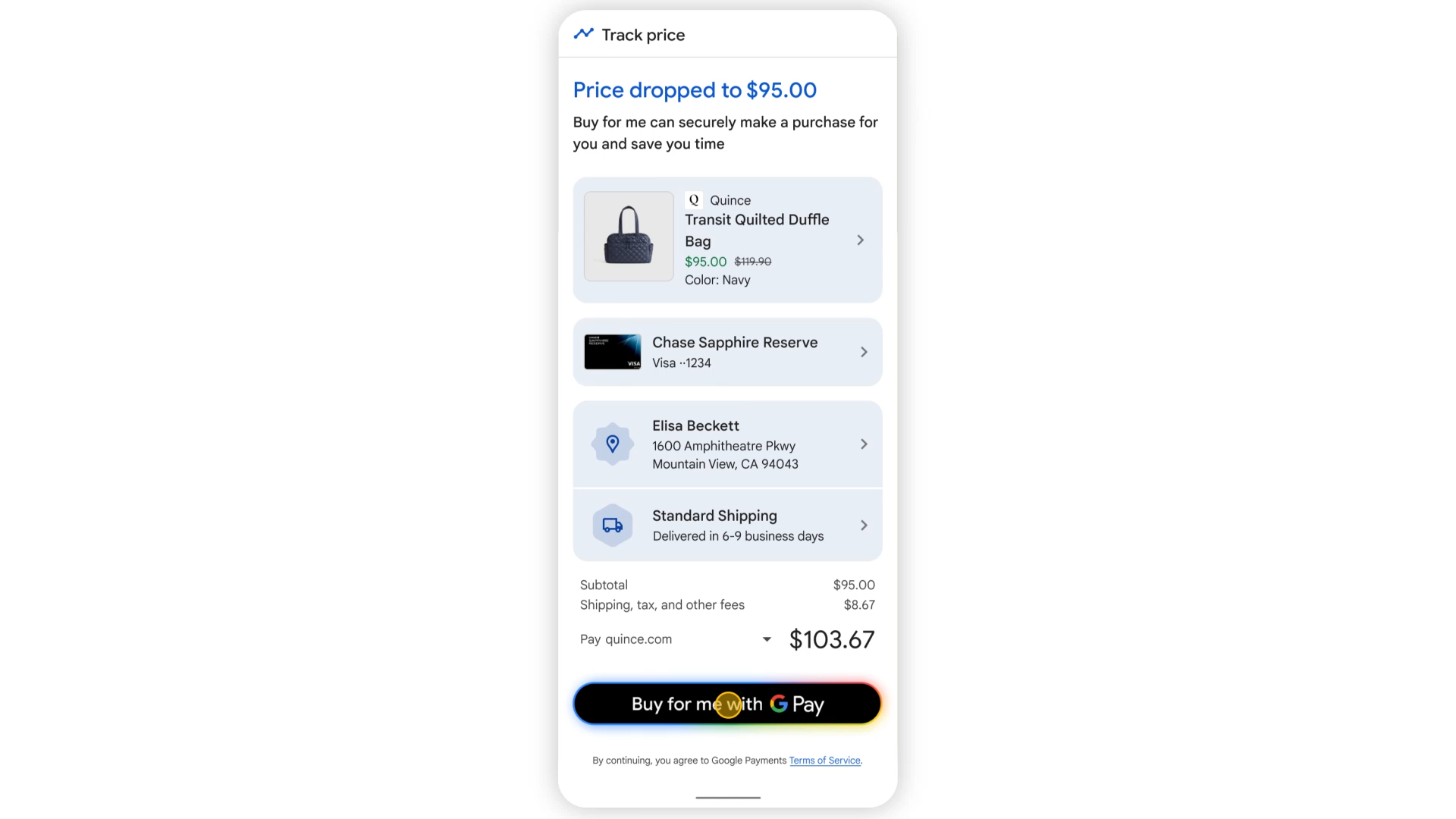
Here’s where it gets revolutionary: AI Mode can now act on a user’s behalf—tracking prices, filling out forms, and even completing purchases with Google Pay. It keeps the user in control, but automates the legwork. This tech also extends to tasks like booking restaurants, tickets, or appointments.
How to Prepare Now (Before Everyone Else Does)
If you want to win in the AI shopping era, don’t wait for the rollout - build for it now. Here’s how your brand can get ahead while others are still catching up:
1. Clean Your Product Feed
AI Mode thrives on structure. If your product listings are incomplete or inconsistent, you’ll be invisible. Use feed management tools like Feedonomics to stay compliant.
- Add rich attributes: size, colour, material, GTINs
- Standardise taxonomy across categories
- Ensure every product has real-time availability and pricing
2. Upgrade Your Images for AI-Driven UX
Google’s new shopping experience is visual-first. Poor-quality images won’t cut it. This is key for eligibility in Virtual Try-On panels.
- Upload high-res images (1024×1024 px or better)
- Include multiple angles and lifestyle shots
- For fashion: ensure clean backgrounds, full garment visibility, and front-facing models
3. Think Conversational, Not Just Keywords
Search is now a dialogue. AI Mode responds to real-world, nuanced questions. The better your product maps to intent, the higher your visibility.
- Optimise titles and descriptions for use-case queries (“backpacks for Europe in winter”)
- Use natural language and contextual tags
- Include benefits, not just features
4. Get Agentic Checkout Ready
If Google’s AI can’t complete the sale, you’re out of the loop. Agentic checkout is frictionless. Make sure you’re part of that experience.
- Ensure your Google Merchant Centre and Google Pay integrations are clean
- Support variant-level data (e.g., size, colour)
- Double-check policies, return info, and inventory syncing
5. Audit for Gaps & Run Tests Now
This isn’t about perfection. It’s about momentum. The brands that iterate now will dominate later.
- Run feed audits to identify missing attributes
- A/B test product listings for AI Mode performance
- Monitor Search Console + Google Merchant Centre for warnings or feed issues
Get Ahead of the Rollout
This isn’t just a new feature. It’s a paradigm shift.
Shopping is becoming smarter, faster, and more personal. The winners? Brands that treat product data like a growth lever, not an afterthought. Those who optimise for AI will own the future of retail before it even hits our shores.
Start now. Clean your data. Elevate your content. Integrate smart. And you’ll be in the best position to win when AI shopping hits full speed.
Want to get your store AI-ready?
Let’s talk.