Top 10 B2B Ecommerce Trends to Get Ahead in 2024
Due to shifts in customer preferences and remote-first engagement, hybrid sales are expected to be the most dominant strategy by 2024. This article highlights the top 10 trends in B2B ecommerce, and how your business can take advantage of them.

The explosive B2B eCommerce growth dictates dozens of trends for developing businesses and making them competitive. McKinsey forecasts that online sales will account for 31% of total B2B sales by 2024, up from 20%. Responding to growing customer demand, B2B marketers have increased the digital portion of their marketing budgets and taken other measures to improve their websites’ usability over the past few years. Naturally, creating a robust website is the biggest challenge.
Let’s dive deeper into the emerging trends in B2B to capitalize on this growing market.
1. Mobile-First Approach
The mobile revolution is no longer on the horizon; it's here. In 2024, it’s expected that m-commerce volume will hit $620.97 billion, which stands for 42.9% of all ecommerce. It’s fair to expect that this trend will reign over B2B mobile e-commerce as well. This is where most wholesale companies still fail to meet the challenge and miss out on prospective purchases.
To cater to this mobile-savvy audience, businesses must prioritise a mobile-first approach. This involves optimising websites and platforms for seamless mobile experiences, ensuring that every step of the purchasing journey is effortless on smartphones and tablets. Not only will it help them capture younger (digital) generations and increase their revenue, but also raise the retention rate.
Key points:
- Prioritise mobile optimisation for a seamless purchasing experience.
- Cater to the rising number of B2B buyers comfortable with mobile transactions.

2. Dynamic Pricing and Personalisation
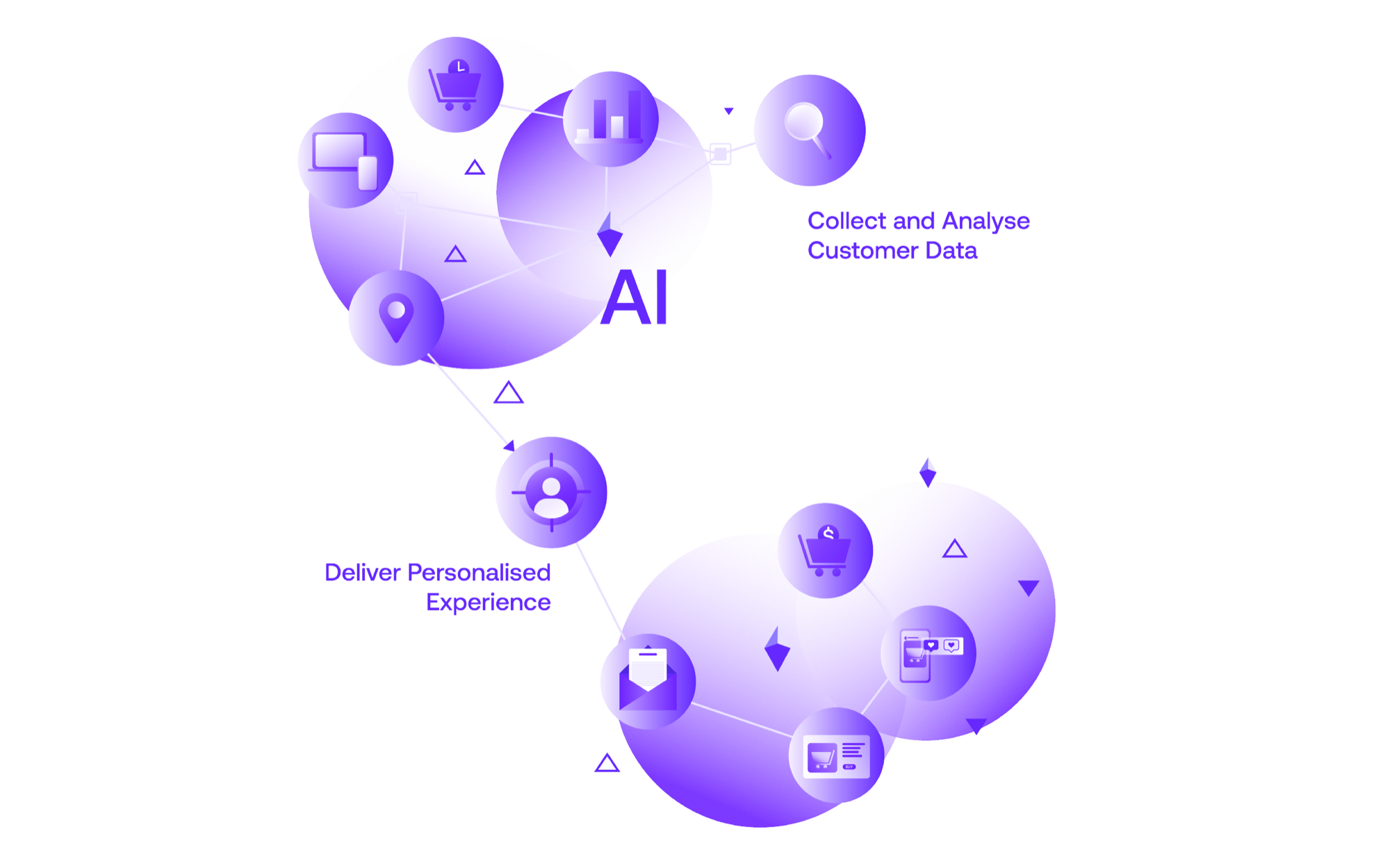
By leveraging machine learning algorithms, businesses can analyse vast amounts of customer data to predict purchase behaviour and optimise pricing strategies. This level of personalisation extends beyond pricing, tailoring the entire shopping experience based on individual preferences.
With sophisticated AI mechanisms and machine learning engines, B2B businesses are now able to build a personalised customer journey and walk their clients through it, offering customised content at every touchpoint. The result? The creation of customer-centric moments leads to enhanced customer satisfaction, a substantial increase in online revenue, and brand loyalty.
Key points:
- Implement dynamic pricing strategies that adapt to market trends.
- Personalise customer journey based on preferences for an enhanced shopping experience.
3. Selling Through Third-Party Online Marketplaces
As market dynamics continue to evolve, B2B businesses are finding new avenues for growth through third-party online marketplaces. Amazon Business, for instance, is projected to account for about 10% of U.S. B2B ecommerce sales by 2025. Embracing third-party marketplaces demands a robust ecommerce infrastructure capable of meeting the unique demands of these platforms.
Key points:
- Explore partnerships with established online marketplaces to expand reach.
- Leverage third-party platforms to increase visibility and drive sales.

4. Social Commerce for Business
Platforms like LinkedIn, Twitter, and Instagram are no longer just networking tools but critical components of the B2B sales journey. In 2024, businesses are not merely present on social media; they are leveraging it for direct sales. With 46% of B2B buyers using social media to learn about solutions, a strategic content plan that includes product showcases and engaging videos becomes paramount.
Social commerce revenues are expected to increase in the next three years since purchasing and selling are no longer limited to specialised websites. Businesses can use social media platforms to market their goods without undermining the existing customer experience.
Key points:
- Utilise platforms like LinkedIn, Twitter, and Instagram for B2B sales.
- Create tailored content to foster lead generation and amplify sales.

5. Omnichannel Experiences
In the pursuit of a seamless and integrated customer experience, the importance of omnichannel strategies cannot be overstated. B2B buyers expect a consistent experience whether they are interacting with a brand online, in-store, or through other channels. Integrating inventory management, customer data, and marketing efforts across various touchpoints creates a cohesive brand experience, fostering customer loyalty and satisfaction.
Key points:
- Provide a seamless transition between online and offline channels.
- Integrate inventory, customer data, and marketing efforts for a cohesive brand experience.
6. More Efficient Fulfillment
Efficient fulfillment is the backbone of successful ecommerce operations. In 2024, businesses must invest in advanced logistics and inventory management systems to meet the escalating demands of the market. Faster and reliable shipping options are no longer a luxury but an expectation. Streamlining fulfillment processes not only meets customer expectations but also positions businesses as reliable and trustworthy partners in the eyes of B2B buyers.
Key points:
- Invest in advanced logistics and inventory management systems.
- Offer faster and more reliable shipping options to meet customer expectations.
7. Headless Ecommerce
As technological advancements continue to shape the ecommerce landscape, the adoption of headless ecommerce architecture emerges as a key trend. This separation of the front-end and back-end allows for greater flexibility and customisation. In 2024, businesses embracing headless ecommerce will be better equipped to enhance the user interface, improve overall performance, and adapt swiftly to changing market demands.
Key points:
- Adopt a headless e-commerce architecture for flexibility and customisation.
- Separate the front-end and back-end to enhance the user interface and overall performance.

8. New Payment Options
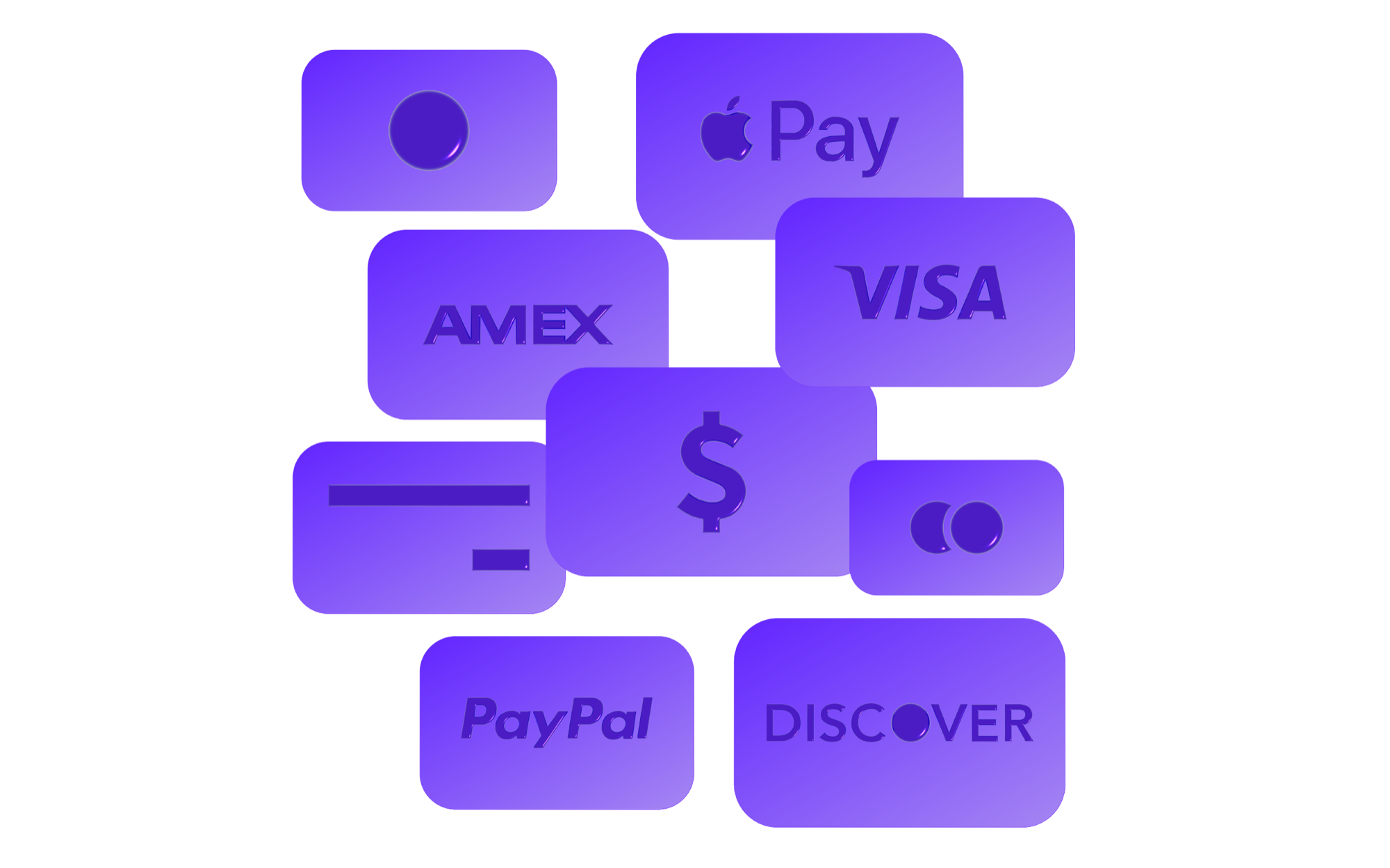
Diversity in payment options is no longer a feature; it's a necessity. B2B buyers have varied preferences when it comes to payment methods, and businesses must cater to this diversity. In 2024, integrating a range of payment options, including emerging technologies, becomes crucial. Staying at the forefront of payment trends ensures that businesses are not only meeting customer expectations but are also positioned as forward-thinking industry leaders.
Key points:
- Integrate diverse payment options to cater to varying customer preferences.
- Explore emerging payment technologies to stay ahead in the market.
9. Product Discovery Opportunities
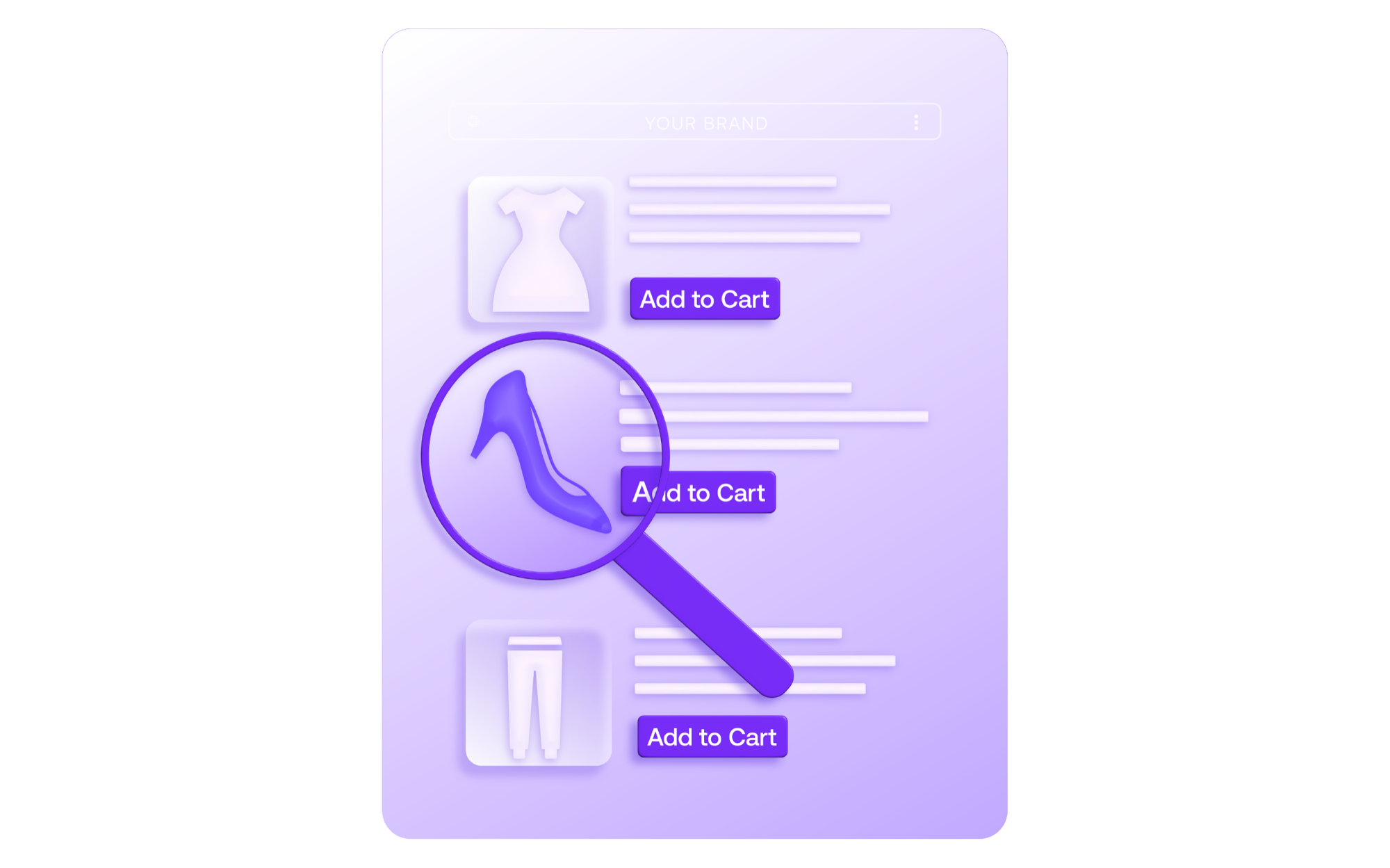
In 2024, businesses will focus on innovative strategies to make it easier for customers to discover and explore products. Whether through advanced search functionalities, personalised recommendations, or interactive product showcases, the goal is to create a user-friendly and engaging experience that encourages exploration and drives sales.
Key points:
- Enhance product discovery through innovative strategies.
- Implement features that make it easier for customers to discover and explore products.
10. Self-service Online Portals
A self-service online portal streamlines the process for each company visiting a website and ensures they can place orders without human assistance.
Recent data reveals that 67% of consumers favor self-service options over engaging in direct conversations with sales representatives. Anticipated for this year is additional expansion and investment in B2B marketplace platforms, cloud utilization, security measures, and related areas.
Key points:
- Enable B2B self-service online portals.
- Invest in B2B marketplace platforms, cloud utilization, security measures, and related areas.

The year 2024 brings many opportunities and challenges for B2B ecommerce. Businesses that embrace these trends, from prioritising mobile experiences to exploring third-party marketplaces, will undoubtedly gain a competitive edge. The convergence of technology, changing consumer behaviors, and market dynamics encourage a proactive approach. By investing in the right technologies and strategies, B2B enterprises can thrive in the dynamic landscape of 2024 and beyond.